Modern air conditioning systems are engineered to operate quietly in the background. In Naples, where homes are tightly sealed to keep out oppressive outdoor humidity, you quickly become accustomed to the subtle, rhythmic hum of moving air. When that steady hum is suddenly replaced by an alarming squeal, metallic rattle, loud buzzing, or sharp hissing sound, your HVAC system is communicating a mechanical problem.
Ignoring unusual AC noises is one of the quickest routes to catastrophic equipment failure. A minor five-dollar screw or fifty-dollar capacitor issue left unaddressed can rapidly escalate into a seized fan motor or burned-out compressor. Here is a definitive guide to decoding what your air conditioner is trying to tell you.
AC Noise Diagnostic Matrix
| Sound Heard | Likely Source | Urgency Level | Required Action |
|---|---|---|---|
| High-pitched screaming | Compressor high head pressure | CRITICAL | Shut down immediately; call pro |
| Loud metal banging | Broken compressor rod or fan blade | CRITICAL | Shut down immediately |
| Continuous loud buzzing | Failing contactor or weak capacitor | High | Schedule same-day repair |
| Squealing / screeching | Dry motor bearings / worn belt | High | Service motor before seizure |
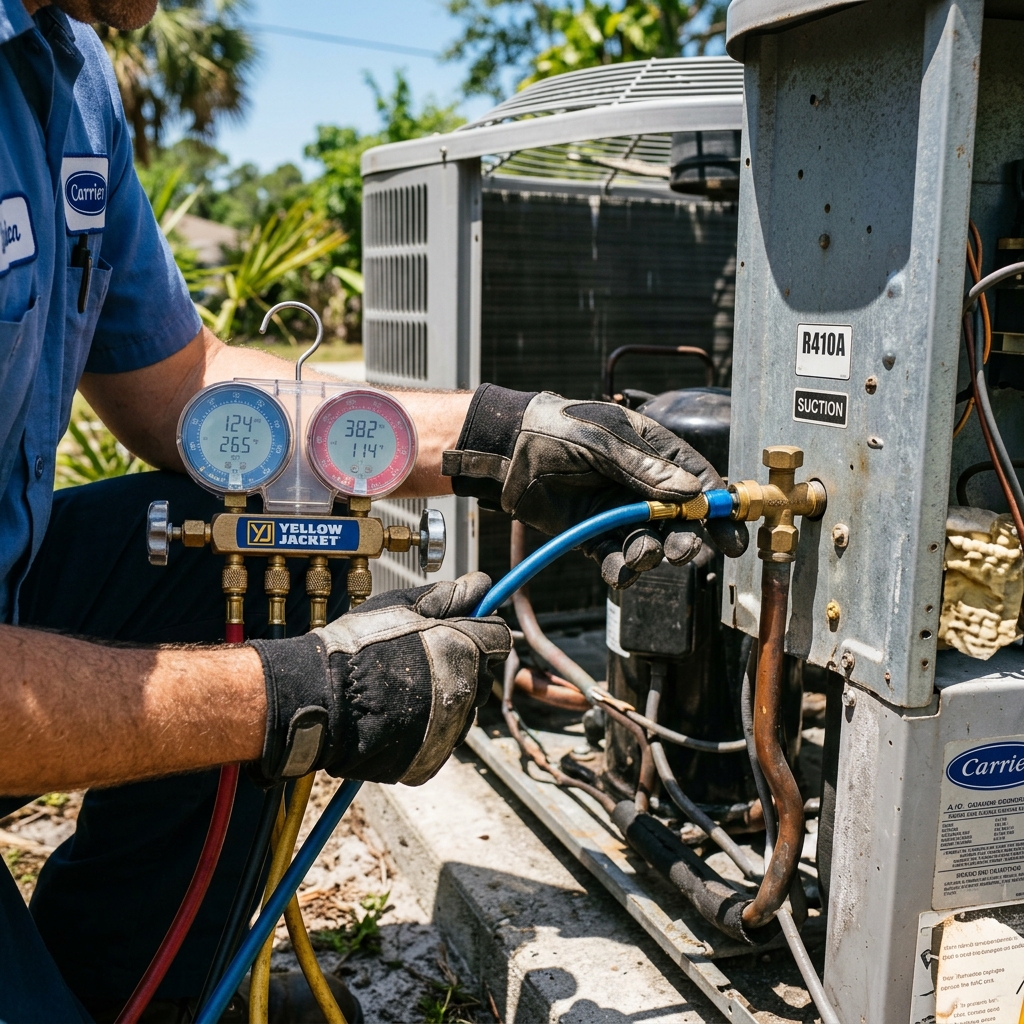
| Steady hissing sound | Refrigerant leak or TXV issue | Moderate | Electronic leak check |
The 6 Most Common AC Noises and What They Mean
1. High-Pitched Squealing or Screeching
A loud, piercing squeal that sounds like bad car brakes typically originates from your indoor air handler or outdoor condenser fan motor:
- Worn Blower Motor Bearings: Sealed bearings inside the fan motor eventually dry out and lose internal lubrication. The metal-on-metal friction creates an intense screech that grows louder over time.
- Failing Fan Motor: If the screech happens continuously while the outdoor fan spins, the motor shaft is vibrating against worn bushings.
- Dangerous High Pressure (Screaming sound): If you hear a loud, screaming whistle from the outdoor compressor, shut the unit off immediately. This signifies dangerously elevated internal head pressure that can rupture internal valve assemblies.
2. Metal-on-Metal Clanking or Banging
A heavy clanking or rhythmic banging indicates that a physical component has broken loose or is out of balance within the mechanical assembly:
- Unbalanced Blower Wheel: If an indoor fan blade chips, or if a thick layer of biological dirt accumulates unevenly on one side of the blower wheel, the assembly wobbles violently during high-speed rotation, banging against the metal housing.
- Broken Compressor Internal Connecting Rod: Inside a reciprocating compressor, the piston and rod assembly operates in a hermetically sealed bath of oil. If a connecting rod snaps or internal springs fail, the piston bangs freely against the outer steel casing.
3. Loud Buzzing or Electrical Humming
Loud electrical buzzing is among the most frequent service calls during Southwest Florida summers:
- Failing Contactor Relay: The contactor is an electromechanical switch in the outdoor unit that engages high-voltage power when the thermostat calls for cooling. Over thousands of cycles, dirt, ants, and carbon arcing pit the contact points, causing the relay coil to chatter and buzz loudly.
- Defective Dual-Run Capacitor: When a capacitor weakens, the compressor motor cannot generate enough phase-shift torque to start. It sits motionless, drawing heavy current and emitting an intense, low-pitched hum before tripping its thermal overload switch.
- Loose Cabinet Screws and Vibration: High-velocity airflow can loosen sheet-metal mounting screws, causing the exterior panels to buzz loudly against the chassis.
4. Repetitive Clicking (Like a Stove Igniter)
A single click at the beginning and end of a cooling cycle is normal as relays engage. However, rapid, continuous clicking indicates an electrical control problem:
- A failing thermostat relay sending intermittent 24V control signals.
- A safety control switch (such as a high-pressure cutout or condensate float switch) repeatedly tripping and resetting the system.
- A defective electrical control board struggling to maintain circuit continuity.
5. Hissing or Gurgling Sounds
Hissing usually points directly toward the refrigeration lines or condensate drainage:
- Pinhole Refrigerant Leak: High-pressure refrigerant vapor escaping through a microscopic puncture in copper tubing or flare joints produces a steady hissing sound, often accompanied by weak cooling.
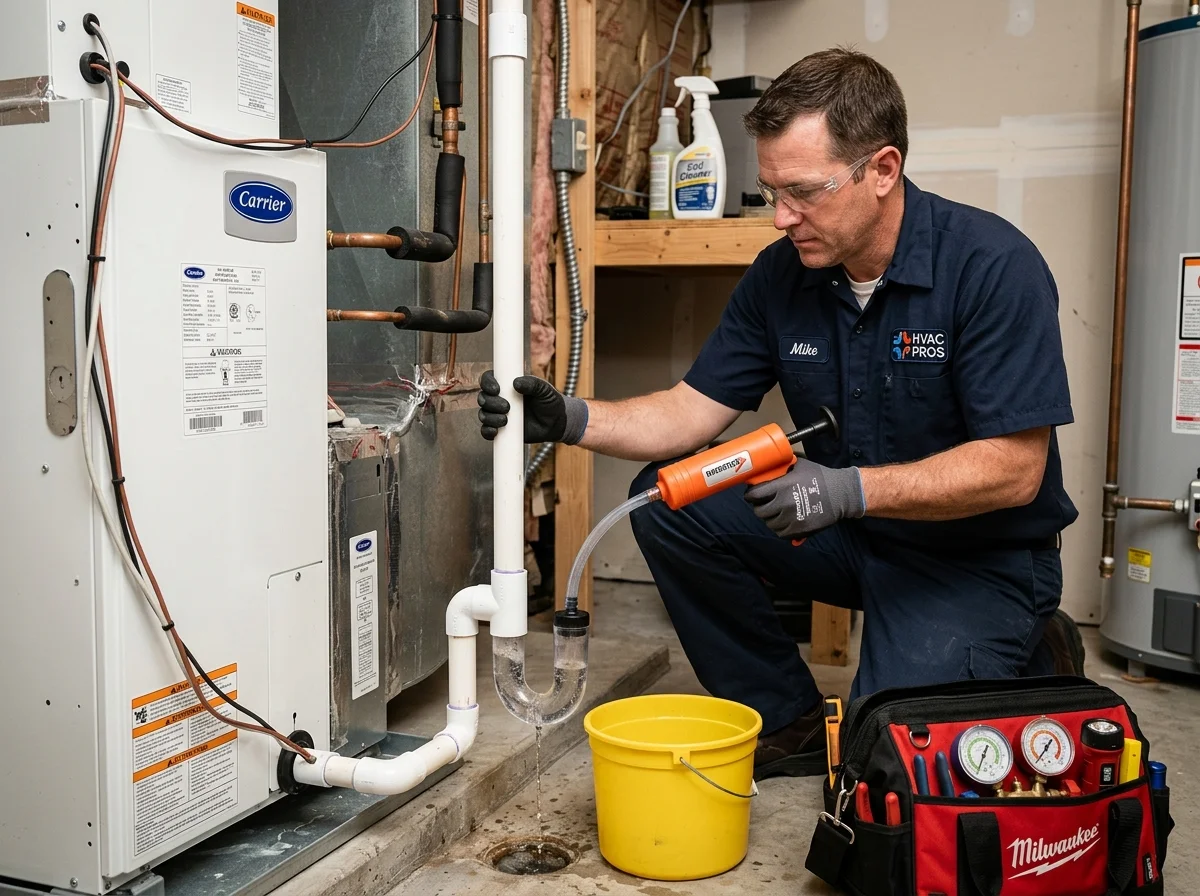
- Bubbling / Gurgling in the Drain: If your condensate P-trap lacks a proper vent or running trap, negative air pressure inside the air handler pulls air backwards through the drain water, creating a rhythmic bubbling or slurping noise.
- Internal Metering Valve Restriction: When a thermostatic expansion valve (TXV) malfunctions, refrigerant cavitates through the restricted orifice, creating a loud hissing sound inside the air handler closet. Explore our compressor valve replacement options for precision valve repairs.
6. Pulsing Rattle or Vibration on Startup
If your outdoor condenser vibrates so heavily that it rattles nearby window panes, the motor mounts or rubber vibration-isolation pads underneath the compressor have deteriorated from Southwest Florida's UV exposure and salt air.
Sounds That Require an INSTANT System Shutdown
If your air conditioner emits a loud screeching scream, a violent metal grinding noise, or a loud electrical buzzing combined with a burning odor, switch the thermostat to OFF immediately. Continuing to operate the unit under these conditions can permanently destroy the compressor motor or ignite an electrical fire.
How Our Certified Technicians Eliminate AC Noise
Diagnosing HVAC noise requires specialized equipment and deep diagnostic experience:
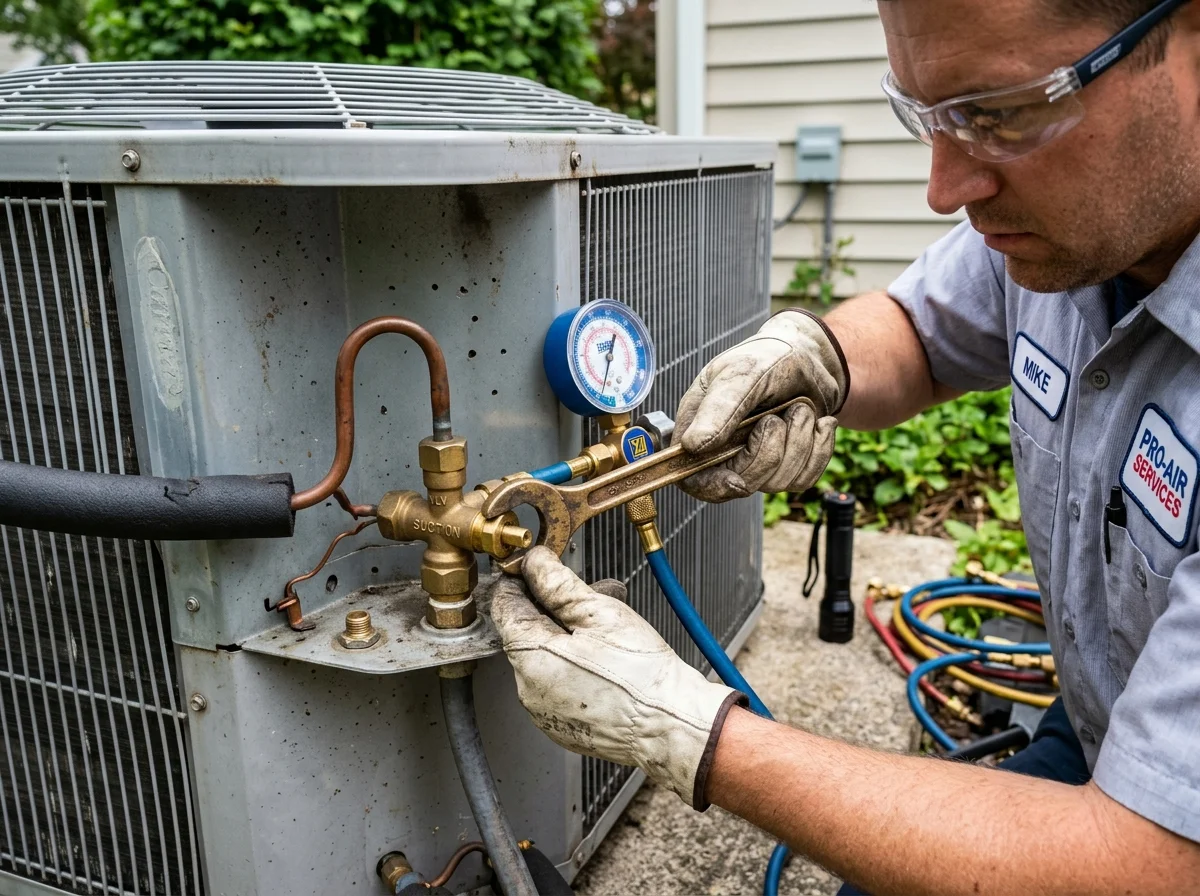
- Stethoscope & Vibration Analysis: We isolate whether the vibration originates from the compressor, motor bearings, or sheet-metal cabinet resonance.
- Electrical Load & Capacitor Testing: We measure microfarads and motor amp draws against factory specifications to verify electrical health.
- Dynamic Airflow Balancing: We clean and dynamically balance blower wheels to ensure whisper-quiet indoor operation.
Is Your AC Making Strange or Alarming Noises?
Don't wait for a noisy component to destroy your compressor. Our certified Naples technicians pinpoint mechanical issues quickly and restore quiet, peaceful comfort.
Frequently Asked Questions About AC Noises
Is it normal for an AC to make a whooshing sound when it stops?
Yes. In modern heat pumps and scroll compressor systems, an equalization whoosh occurs when high-pressure discharge gas equalizes with low-pressure suction gas upon shutdown. As long as the sound lasts only 2 to 4 seconds and the system cools normally, it is completely harmless.
Can a noisy AC be repaired without replacing the whole unit?
In the vast majority of cases, yes! Most annoying noises stem from loose mounting brackets, worn fan motor bearings, failing contactors, or tired capacitors—all of which are fast, affordable repairs. Only catastrophic internal compressor rod failures typically necessitate major equipment replacement.
Conclusion
Every sound your air conditioner makes has a distinct mechanical or electrical cause. By paying attention to changes in system acoustics and seeking prompt professional evaluation, you protect your system's lifespan and avoid costly emergency breakdowns. For trusted noise diagnostics, contact AC Repair Naples Fl for expert compressor valve and mechanical AC repair in Naples, FL.